Inland Northwest Weather Roofing and Construction Tips for Every Season
Check the Local Forecast for Your Area
Inland Northwest weather roofing tips start with one simple habit: knowing what is coming before it arrives. This region sees occasional snow and heavy winter systems, spring rain, summer heat, and high winds. Each one creates different challenges for roofs, decks, siding, and buildings. Checking the forecast helps you plan ahead, whether that means scheduling an inspection before a wet season or timing a project.
Today’s Weather Across the Inland Northwest
For detailed forecasts and active weather alerts, the National Weather Service Spokane office provides current information at weather.gov/otx. It’s a reliable starting point for tracking the weather patterns that affect your property.
Planning Roofing and Construction
Work Around the Forecast
Roofing needs dry, calm conditions. Rain, unsafe wind, and ice on the deck are what pause roofing work, not cold temperatures alone. Construction and excavation have their own limits. Heavy rain, saturated soil, and frozen ground can all affect a schedule. Weather in this region shifts quickly, so talk with your contractor about timing before the project starts.
How Inland Northwest Weather Affects
Your Roof Through the Year
The Inland Northwest climate is distinct from Western Washington’s maritime patterns. While the Puget Sound region deals with persistent coastal moisture year-round, our region has a more continental climate. That means colder winters, heavier snow, wider temperature swings, and drier summers. Each season puts different stress on your roofing materials.
Winter: Snow Load, Freeze-Thaw Cycles, and Ice Dams
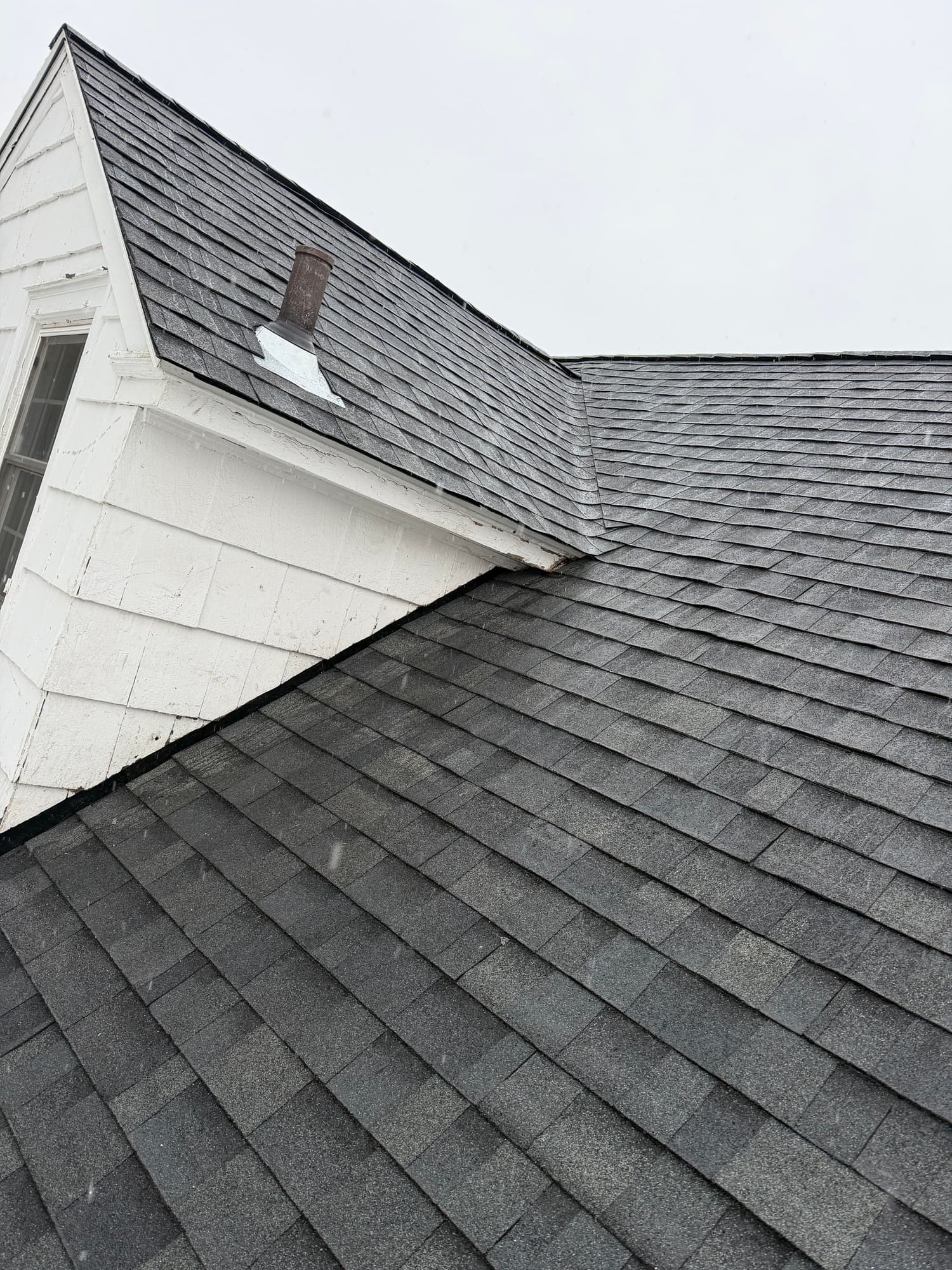
Heavy, wet snow places structural stress on roofs. It accumulates weight quickly and can strain aging shingles, ridgelines, and the roof deck beneath them. Proper drainage matters just as much. A well-functioning drainage system is one of the most cost effective ways to protect your home over the long term.
Ice dams are a related concern. They form when heat escaping from the attic melts snow on the upper roof. That water refreezes near the eaves before it can drain. The ice can force water back under the shingles and into the home. Proper attic insulation, built to your local building code, and adequate attic ventilation are the most effective preventative measures. Russell Quality Roofing also installs insulation, so you can ask about it during your inspection. Poor ventilation also contributes to mold growth and wood rot over time.
Trim branches near the roofline before winter, since snow-laden limbs are a common source of roof damage. A long-handled roof rake can clear heavy snow from the ground and reduce the load on your roof. Never stand on a snowy roof to clear it. Before winter arrives, schedule a professional inspection to confirm your shingles are secure and the vulnerable areas are protected.
Spring and Fall: Rain, Wind, and Moss Growth
Frequent rain and seasonal heavy rainfall create wet conditions through spring and fall. This is when regular cleaning of gutters and downspouts matters most. Clear downspouts move water away from your home. Backed-up water stresses the lower courses of shingles and speeds up wear near the eaves. If your gutters are past saving, Russell Quality Roofing installs continuous gutters in the Lewis-Clark Valley and surrounding areas.
Damp conditions and shaded areas promote algae and moss growth. Moss roots lift shingle edges. Algae streaking points to persistent moisture that can weaken granule adhesion. Left untreated, both shorten the life of the roof. Asphalt shingles with algae-resistant granules help reduce black streaking, which makes them a practical choice for this climate. Zinc or copper strips along the ridgeline can also reduce moss and algae between professional inspections.
High winds can cause missing and damaged shingles, especially at edges, ridges, and flashing. After any major storm, check your roof from the ground. Look inside for water stains, which can signal developing water damage. Catching minor issues early is far more cost effective than waiting for a full replacement conversation.
Summer: Heat, UV Exposure, and Roofing Material Stress
Summer brings prolonged heat and direct UV exposure. Roofing materials expand and contract with repeated temperature swings. Proper attic ventilation reduces heat buildup in the attic, which lowers the burden on the roof from below.
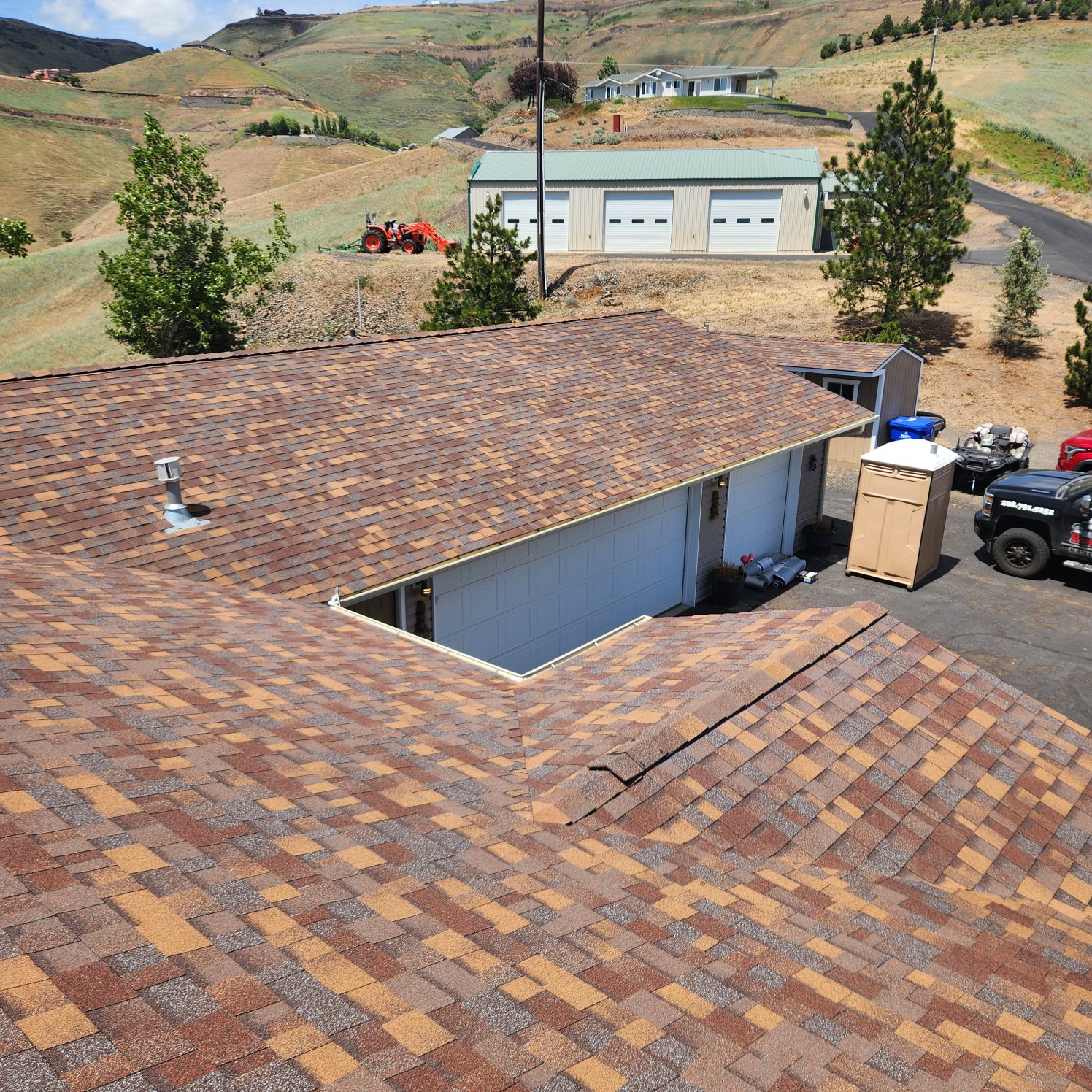
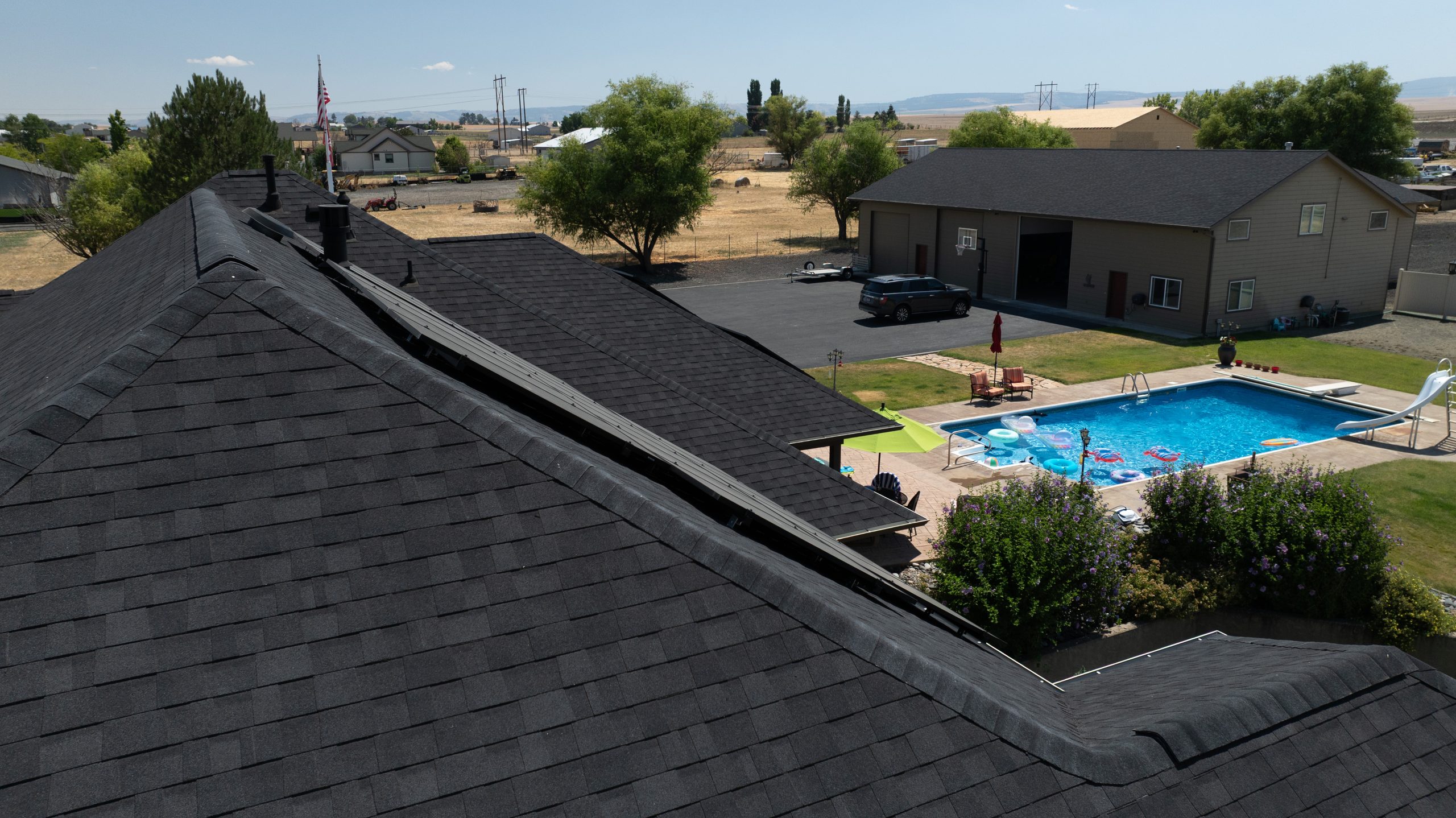
Architectural asphalt shingles are the most common choice from the Lewis-Clark Valley to Spokane. They balance durability, weather resistance, fire resistance, and value. Owens Corning architectural shingles are engineered with modern technology that significantly exceeds older asphalt products, which typically lasted only 20 to 30 years. Qualifying Owens Corning shingle systems installed by Russell Quality Roofing carry a 50-year product warranty and a 25-year labor warranty, both one-time transferable. The shingles also carry a Class A fire rating. Roofing materials should have wind ratings that fit your location, especially if you get regular high-wind events.
Standing seam metal roofing is another premium option. It handles thermal expansion without cracking and sheds snow effectively. It also requires less maintenance than asphalt shingles, which makes it a good fit for homeowners planning to stay long term.
Cedar shake offers natural beauty and a rustic appearance, but it needs much more care in damp conditions. Architectural shingles and standing seam metal are the more practical choices for this climate.
Weather That May Stop Your Roofing Project
Rain, Unsafe Wind, and Ice on the Deck
Professional roofers cannot safely or effectively install roofing in a storm or unsafe wind. They also can’t work when ice is on the roof deck. These conditions create safety risks and compromise the installation. They are the actual stopping points, not cold temperatures on their own.
Why Cold Weather Does Not Stop a Quality Installation
Cold weather alone does not prevent a roof replacement. Modern shingle technology begins bonding on overlap. Work can proceed as long as the deck is dry and free of ice. Some roofers wait for warmer months, but cold weather by itself doesn’t require that. Russell Quality Roofing completes roof replacements year-round.
Our Seasonal Switch to Flexible Ice and Water Shield
Around October each year, we switch to a flexible ice and water shield for cold-weather installations. Standard ice and water shield becomes less pliable in low temperatures and loses adhesive effectiveness. The flexible version keeps its pliability and bonding strength in the cold. We apply it in the areas most prone to leaks: eaves, valleys, and penetrations. Many roofing companies do not make this seasonal adjustment. Russell Quality Roofing does, and it’s one reason we can complete quality installations year-round.
How Weather Affects
Construction and Excavation Projects
Weather shapes building projects as much as it shapes roofs. Russell Construction & Excavation builds pole buildings and barns, custom decks, siding, and soffits, and handles excavation work. Here’s how the Inland Northwest climate comes into play.
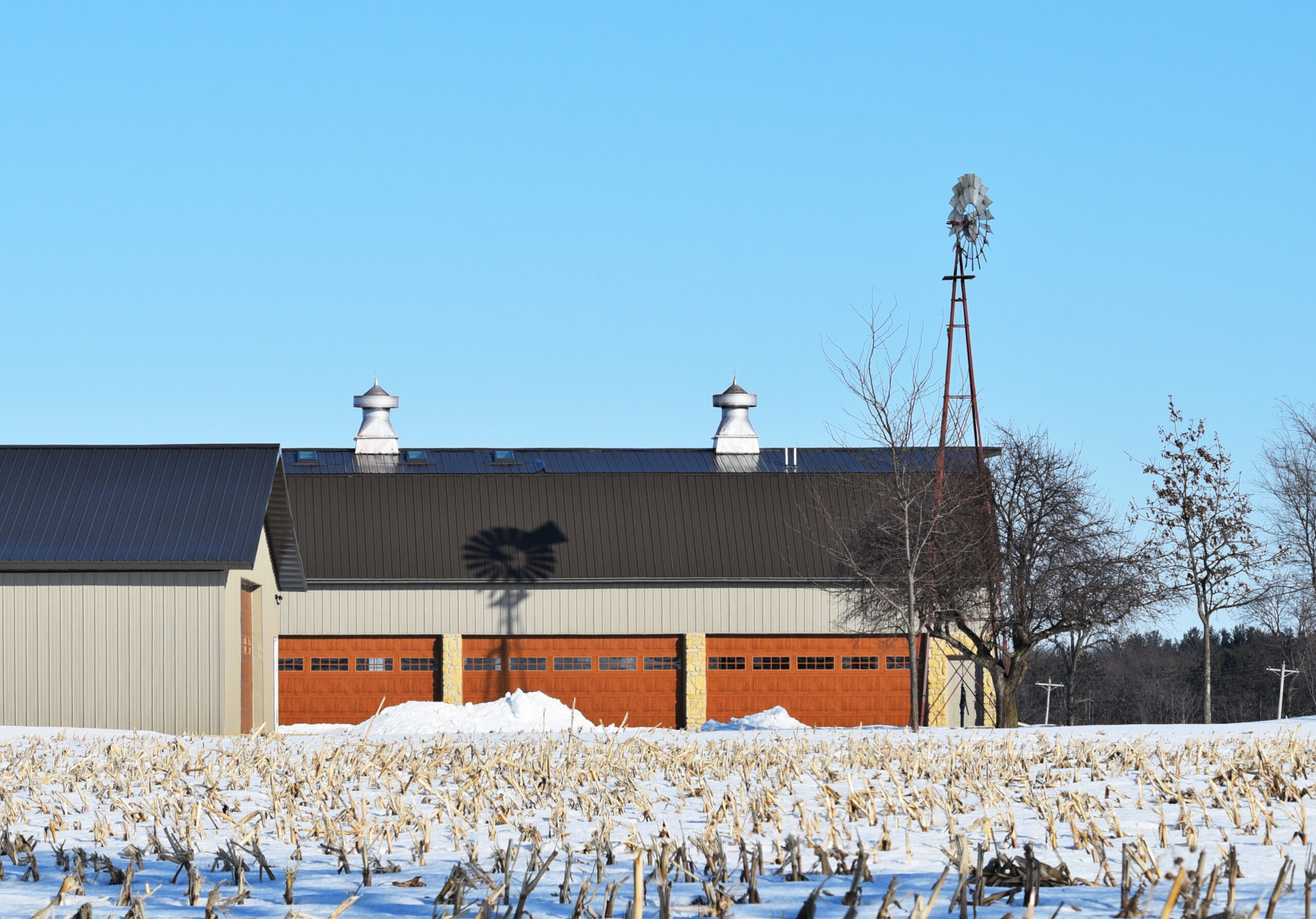
Snow Load and Wind on Pole Buildings and Barns
A pole building’s roof carries snow, and its large walls take wind. Snow load requirements vary by jurisdiction, so the design needs to match your site and local code. We talk through your site and plans before the project begins.
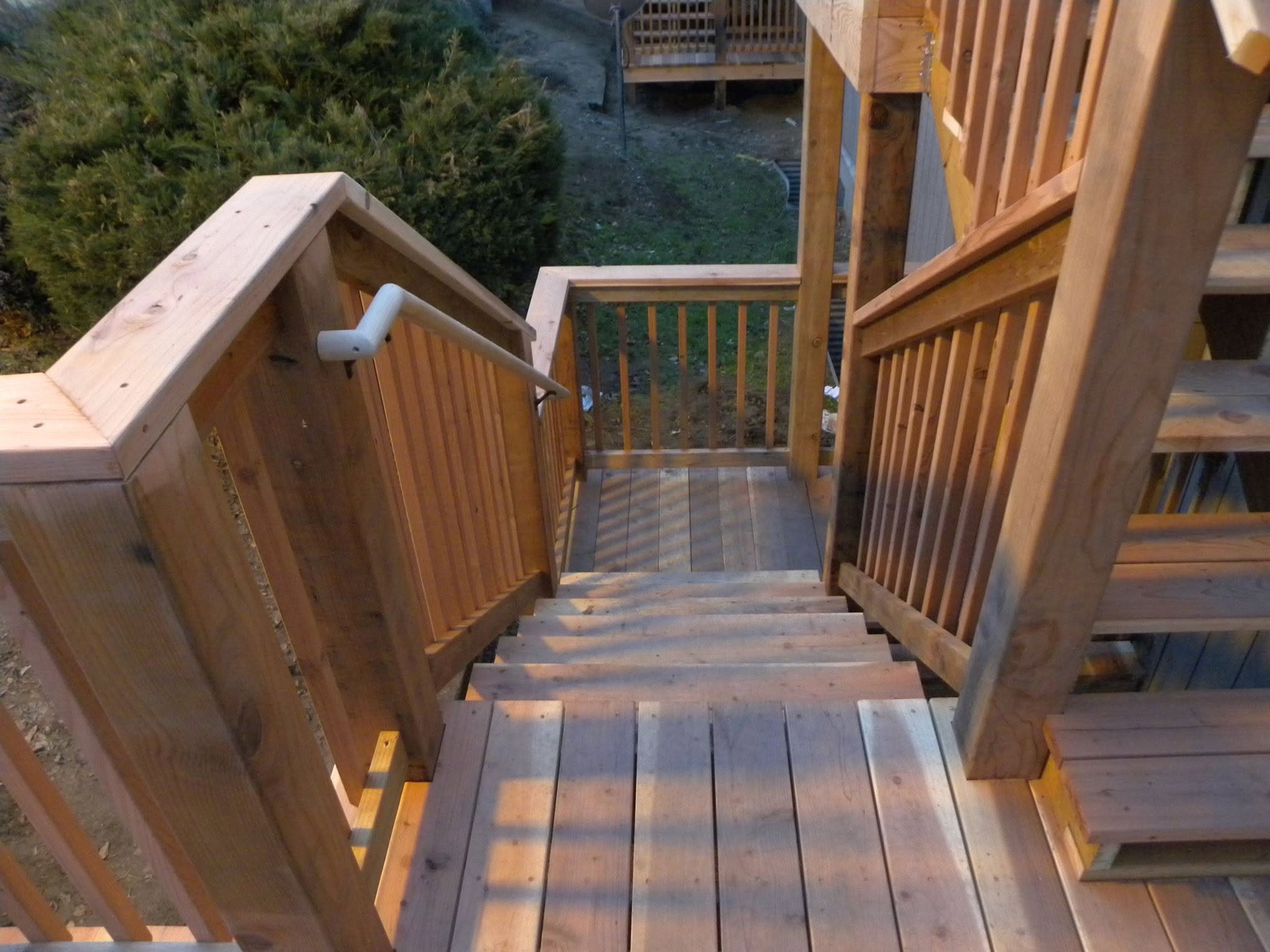
Moisture and Freeze-Thaw on Custom Decks
A deck sits outside all year. Rain, snow, and repeated freezing and thawing put constant stress on posts, framing, and fasteners. That’s why we build our decks with at least 6×6 posts and materials chosen for long-term performance to withstand any weather.
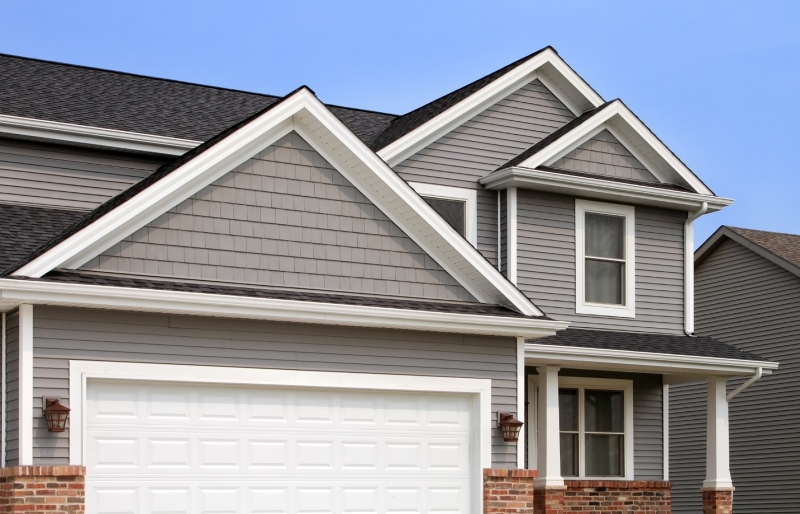
Siding and Soffits
Siding is your home’s first line of defense against wind-driven rain, snow, and sun. Soffits play a role in ventilation and moisture control. Installed together as a complete exterior system, they protect the structure behind them.
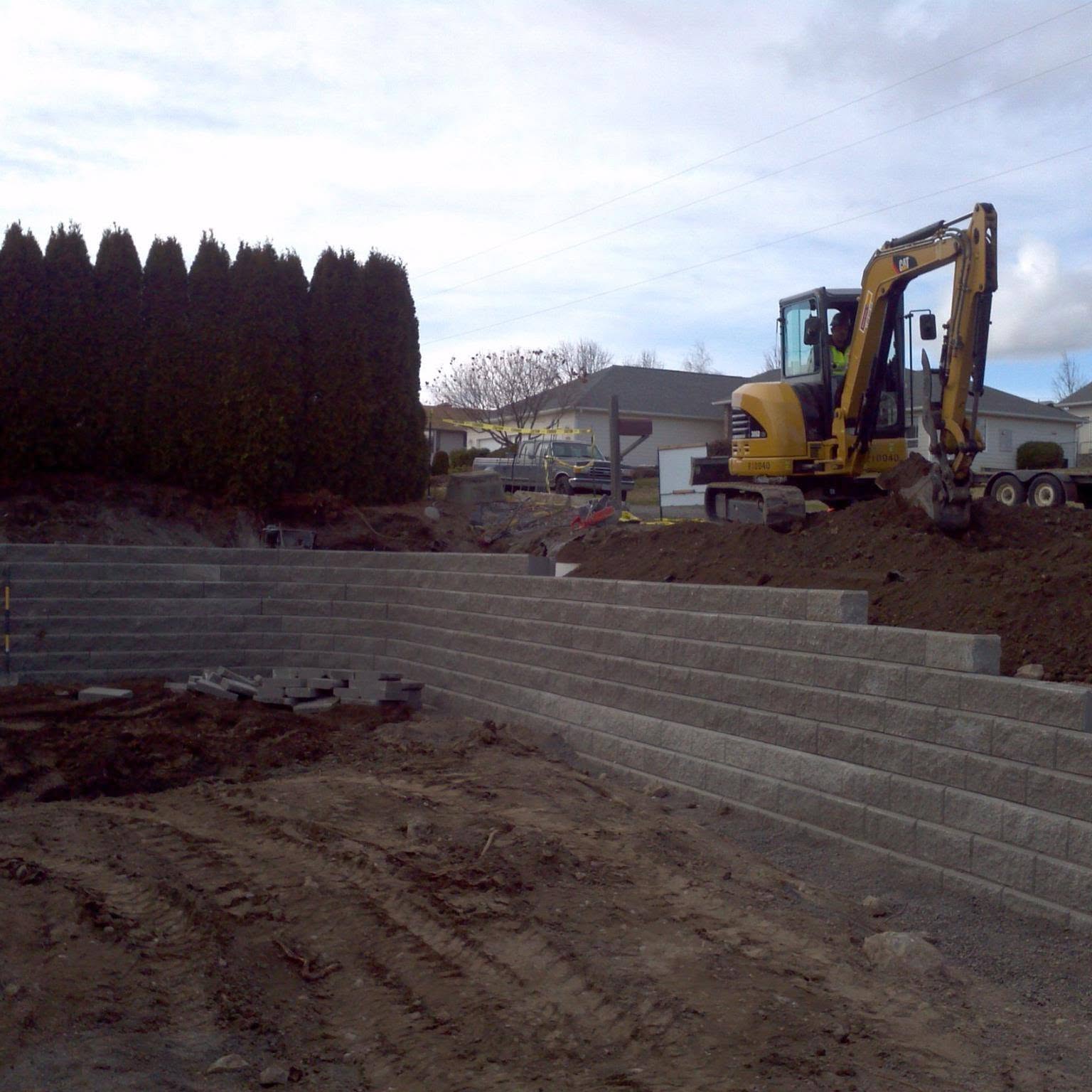
Excavation, Grading, and Drainage
Ground conditions change through the year. Frozen ground, spring runoff, and saturated soil all affect when and how site work can proceed. Proper grading and drainage direct water away from your home and foundation. We’ll talk through timing for your site during your estimate.
Construction and excavation services are available in the Lewiston-Clarkston and Moscow-Pullman corridors and surrounding areas.
Weather-Smart Tips for
Inland Northwest Homeowners
What to Look for After a Storm
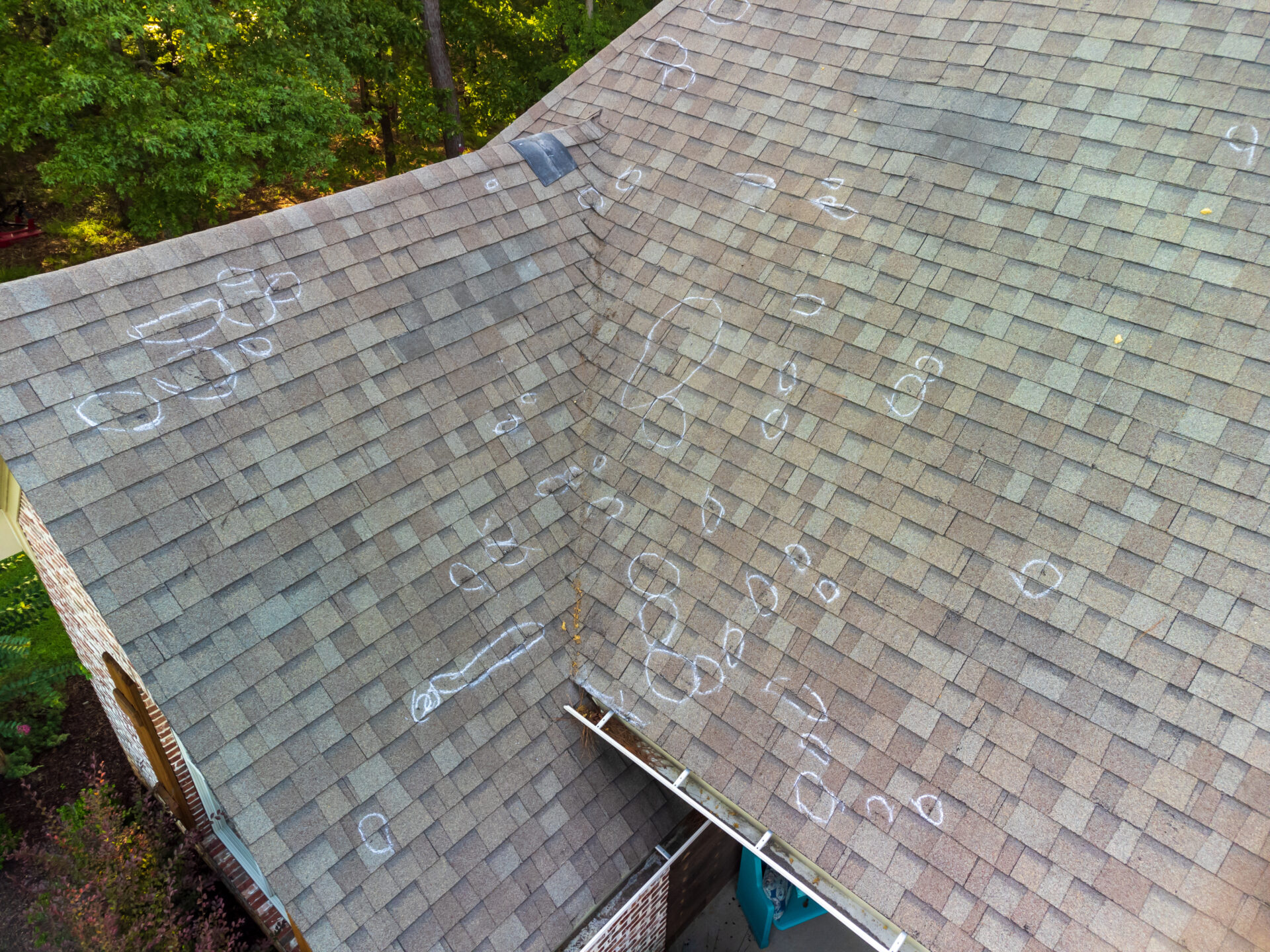
After any major storm, walk your property. Look at the roof from the ground for missing or damaged shingles, debris in valleys, and displaced flashing around chimneys, vents, or skylights. Check siding for loose or cracked panels, decks for loose boards or railings, and outbuildings for damage. Inside, check ceilings and walls for water stains and small leaks. These can signal water damage that isn’t visible from the outside.
Address warning signs promptly. Damage left untreated compounds quickly, and a small roof repair can become a much larger problem if it’s ignored through a wet season.
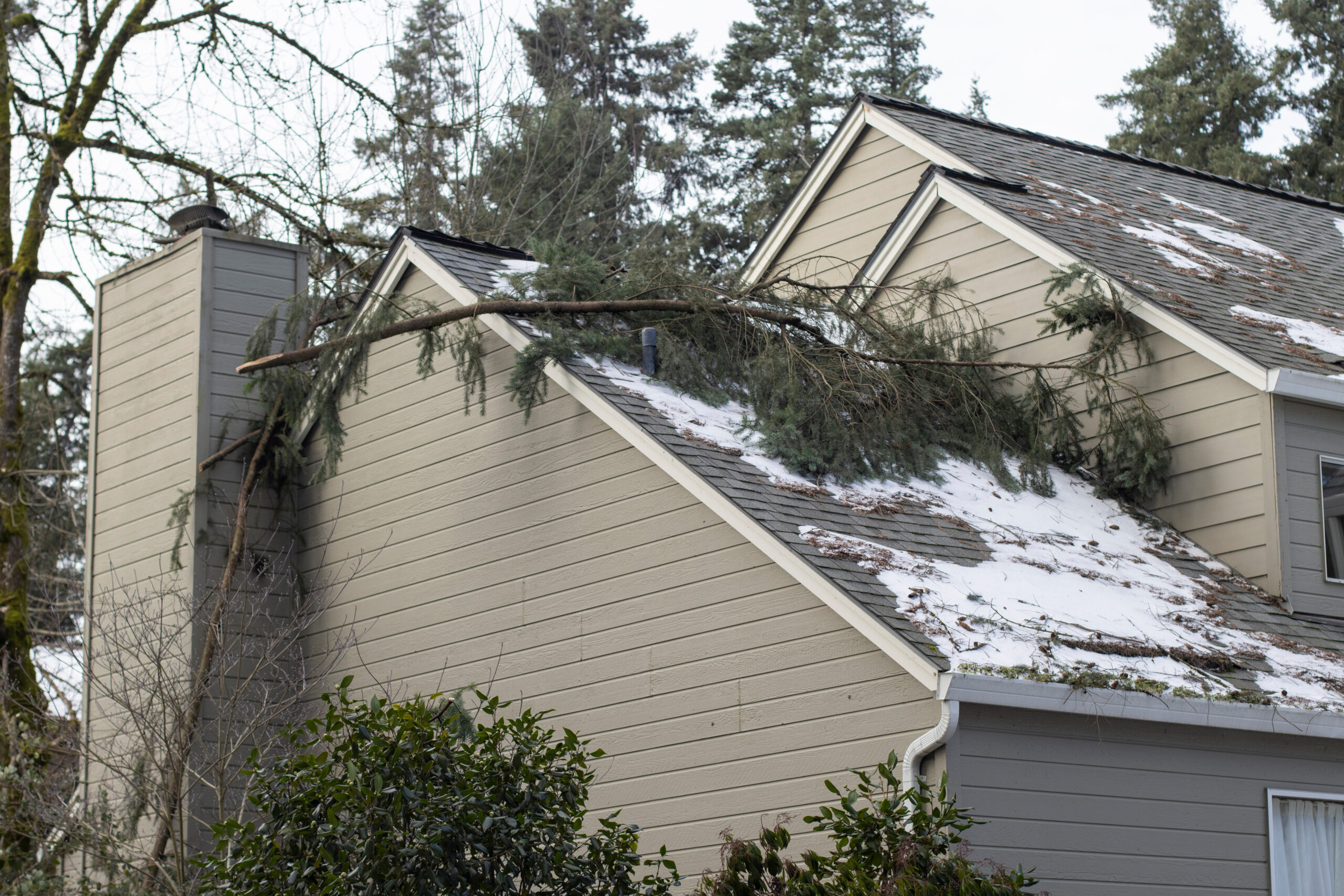
Emergency Attention After a Storm
If a storm leaves your roof exposed, Russell Quality Roofing provides 24/7 emergency attention. We dry in the affected area as quickly as possible to prevent further damage while permanent repairs are planned. Call (208) 791-5252 for urgent roofing needs.
We document roof conditions with photo and video as needed during inspections. This gives you a clear, factual record of what was found. It also supports any communication you need to have with your insurance company.
When to Schedule a Professional Roof Inspection
Schedule a professional inspection at least once a year, and again after any significant weather event. It gives you an accurate picture of your roof’s condition before problems escalate. Many homeowners also benefit from a more comprehensive evaluation every three to five years.
Russell Quality Roofing provides free standard residential roof inspections across our service areas, with photo and video documentation as needed. If roof triage is required, meaning temporary measures to keep water out until permanent repairs can be made, there is a separate charge. We explain what’s needed before any work begins.
Choosing a Roofing or Construction Company in the Inland Northwest
A few practices protect you when you hire any contractor. Washington contractors must be registered with the Washington State Department of Labor and Industries. Idaho contractors must be registered through the Division of Occupational and Professional Licenses. Confirm that your contractor is licensed, bonded, and insured in the state where your project is located.
Ask about warranties. Contractors typically offer two types: a manufacturer-backed product warranty on materials, and a separate workmanship warranty on the installation. Both matter. Reviews from past customers are also a reasonable way to vet a contractor you haven’t worked with before.
Storm Damage and Your Insurance
How Russell Quality Roofing Supports Your Insurance Process
When storm damage affects your roof, Russell Quality Roofing can provide a professional inspection and detailed documentation, including photos and written findings. You can use this to communicate with your insurance company. It helps your insurer understand the condition and scope of the damage.
Contact Your Insurer Directly
Russell Roofing, Construction, and Excavation does not process or manage insurance claims. After storm damage, contact your insurance provider promptly, follow their claim process, and submit the documentation they require. We provide the inspection, the information, and the roofing expertise. The claim itself is between you and your insurance company.
Talk to Russell Roofing, Construction & Excavation About Your Property
If Inland Northwest weather is affecting your roof or you’re planning a building project, our team is here to help with honest guidance. Russell Quality Roofing serves the Lewiston-Clarkston corridor, the Moscow-Pullman corridor, and the Coeur d’Alene-Spokane corridor and surrounding areas. Russell Construction & Excavation serves the Lewiston-Clarkston and Moscow-Pullman corridors and surrounding areas. Both are licensed, bonded, and insured.
On the roofing side, we install Owens Corning architectural shingles and standing seam metal roofing. Our superintendents are MBCI certified for metal roofing installation. Every roof replacement includes a complete tear-off of all existing roofing materials, Owens Corning UDL 50 underlayment, and ice and water shield in all vulnerable areas. From approximately October through March, we switch to a flexible ice and water shield.
Call (208) 791-5252 or email quotes@rssllc-construction.com to request a free estimate or schedule your free inspection.
Built on Trust, Backed by Expertise.