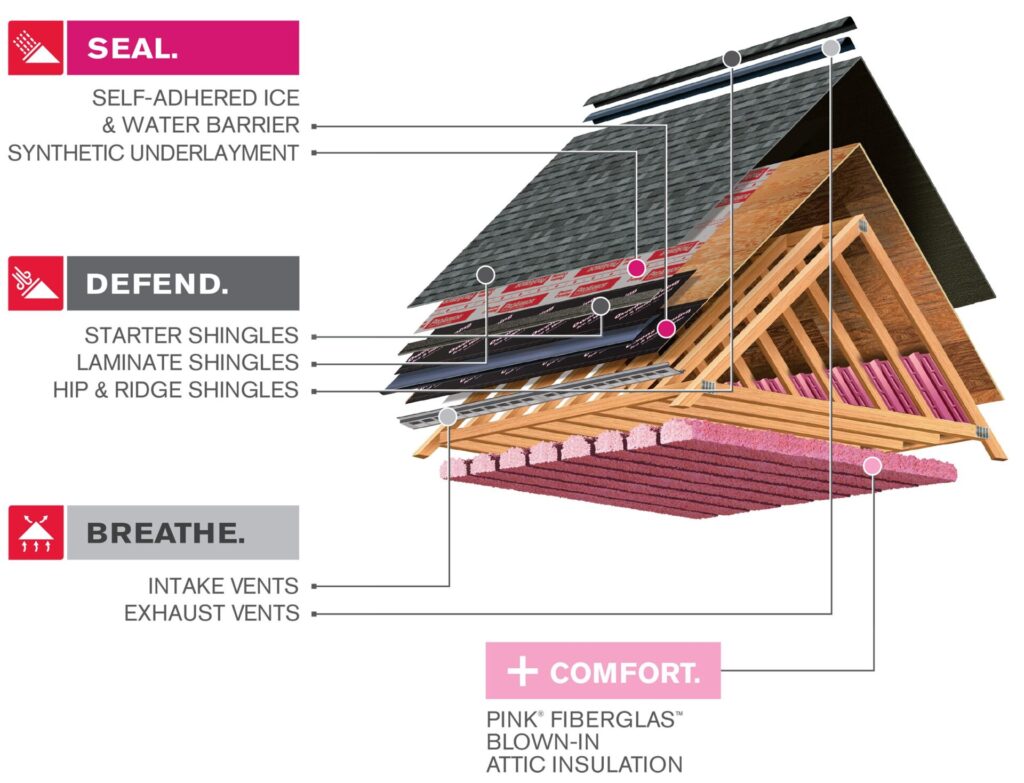
Attic ventilation plays a critical role in how your roof performs over time. While many homeowners focus on roof shingles and exterior materials, what happens inside the attic space can have a direct impact on roof lifespan, moisture control, and overall roof structure health.
At Russell Quality Roofing, we regularly encounter roofing issues where the underlying problem is not the roof covering itself, but a poorly ventilated attic. Understanding how attic ventilation works and why proper airflow matters can help homeowners avoid preventable damage and make informed decisions about their roof.
Why Attic Ventilation Matters
Heat buildup in summer
During warmer months, hot air naturally rises from the living space into the attic. Without proper attic ventilation, that hot air becomes trapped, causing attic temperature levels to climb significantly. Excessive heat buildup increases heat transfer to the roof sheathing and roof shingles, which can accelerate material aging over time.
Moisture accumulation in winter
In colder months, warm, moist air from inside the home can migrate upward into the attic. If outside air cannot circulate properly, moisture accumulation may occur on cooler surfaces such as roof sheathing or attic insulation. Over time, this moisture can contribute to mold growth or wood rot if left unaddressed.
How ventilation affects roof lifespan and indoor comfort
A well ventilated attic allows hot air and moist air to escape naturally while drawing in cooler air from outside. This air movement helps regulate attic conditions year-round, supporting consistent roof performance and reducing unnecessary stress on roofing materials.
Why “roof cleaning near me” searches are often related
Homeowners searching for roof cleaning near me often notice moss, algae, or debris buildup. While surface cleaning helps, recurring growth is frequently linked to trapped moisture and limited airflow caused by blocked soffit vents or ventilation openings.
How Attic Ventilation Works
Intake Vents (Soffit Vents)
Intake ventilation typically comes from soffit vents installed along the eaves of the roof. These vents allow cooler air and fresh air to enter the attic space. Perforated vinyl soffits and dedicated intake vents must remain unobstructed by insulation to function properly.
Exhaust Vents (Ridge Vents and Other Types)
Exhaust ventilation allows hot air and warm air to escape near the roof ridge. Common exhaust vents include ridge vents installed along the roof ridge, box vents, static vents, turbine vents, and gable vents. Each roof design, including gable roofs and hip roofs, may require different exhaust strategies.
Balanced Airflow and Why it Matters
A balanced ventilation system relies on both intake and exhaust working together. Too much exhaust without enough intake ventilation can create negative pressure, pulling conditioned air from the living space. Too little exhaust traps heat and moisture. Proper attic ventilation depends on balanced intake and exhaust for effective air flow.
Signs Your Attic Is Poorly Ventilated
Excessive attic heat |
Condensation or moisture buildup |
Curling or prematurely aging shingles |
Musty odors or damp insulation |
|---|---|---|---|
| An attic that remains extremely hot during summer may indicate inadequate exhaust ventilation or blocked intake vents. | Condensation, frost, or moisture accumulation on attic floor surfaces, insulation, or roof sheathing often points to poor air movement. | Roof shingles that curl, blister, or show early wear may be exposed to prolonged heat from a poorly ventilated attic. | Persistent odors or attic insulation that appears damp or compressed can be signs of ventilation-related moisture issues. |
How Poor Ventilation Affects Your Roof
Shortened shingle lifespan
Excess heat trapped beneath the roof structure can shorten the service life of shingles and other roofing materials.
Increased risk of ice dams
In winter, warm air escaping unevenly can lead to melted snow refreezing at roof edges, contributing to ice dams and potential water intrusion.
Moisture-related attic damage
Ongoing moisture exposure may affect insulation, roof decking, and enclosed rafter spaces over time.
Higher energy strain
While attic ventilation is not an energy solution, improper airflow can contribute to inconsistent temperatures that place additional demand on heating or cooling systems.
Ventilation and Roof Cleaning – How They Connect
Trapped debris blocking soffits
Leaves, dirt, or nesting materials can block soffit vents and restrict intake airflow.
Moss and algae growth
Moisture that lingers on roofing surfaces encourages biological growth, particularly in shaded areas.
Why airflow improvements are often part of the solution
Roof cleaning alone may not resolve recurring moisture issues if ventilation problems remain unaddressed.
How Russell Quality Roofing Evaluates Attic Ventilation
Checking soffit intake air paths
We inspect soffit vents, intake ventilation paths, and insulation baffles to ensure outside air can enter the attic properly.
Inspecting exhaust vent function
We evaluate ridge vents, roof vents, and other exhaust components to confirm they allow warm air to escape effectively.
Identifying moisture patterns through observation
Our assessments focus on visible signs of moisture and airflow issues without relying on advanced diagnostic tools or leak-detection claims.
Improving Your Home’s Ventilation
Adjusting intake and exhaust vents
In some cases, ventilation can be improved by adding or repositioning intake vents, exhaust vents, or rafter vents to support balanced airflow.
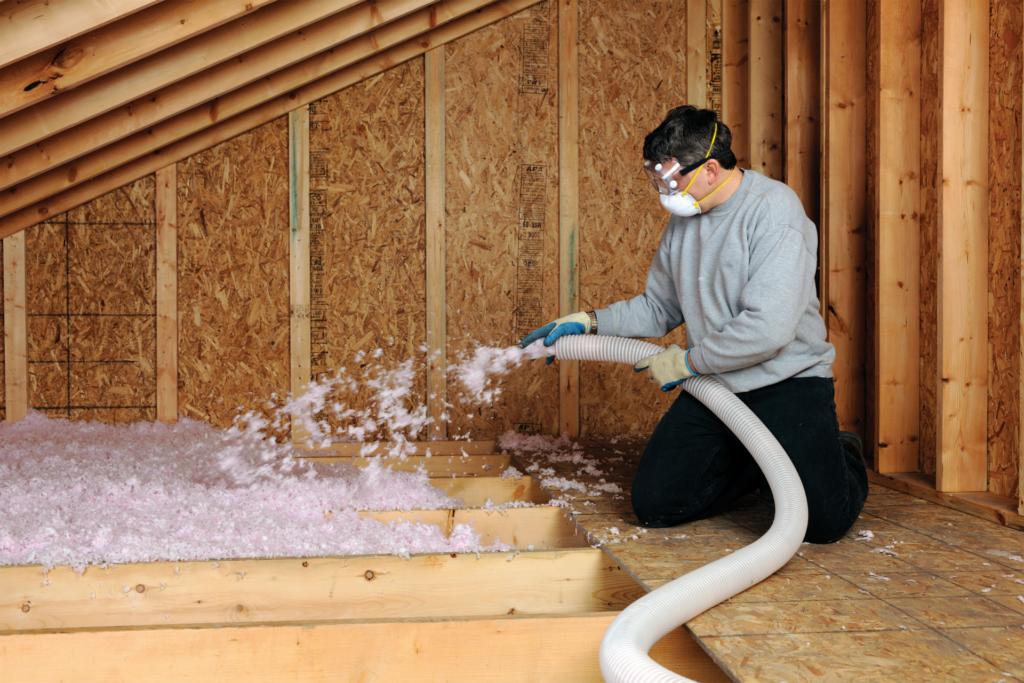
Ensuring insulation doesn’t block airflow
Insulation baffles and rafter vents ensure insulation stays clear of ventilation openings, supporting proper air movement.
Seasonal considerations in the Inland Northwest
Snow loads, cold air, and temperature swings common in this region make proper attic ventilation especially important year-round.
When to Call a Professional
Ice dams forming repeatedly
Recurring ice dams often indicate airflow and attic temperature imbalance.
Moisture or mold visible in the attic
Any visible mold growth or moisture damage should be evaluated promptly.
Shingles aging prematurely
If roof shingles continue to deteriorate despite cleaning or minor repairs, ventilation may be contributing to the problem.
Schedule a Roof + Attic Ventilation Assessment
If you’re noticing signs of a poorly ventilated attic or want reassurance about your roof’s condition, a professional evaluation can help clarify next steps. A properly ventilated attic supports roof performance, helps manage moisture, and protects your roofing investment over time.
Russell Quality Roofing proudly serves Lewiston, Spokane Valley, Coeur d’Alene, Moscow, Pullman, Post Falls, and surrounding areas. Call us today!
AWARD WINNING PRODUCE
Order Online
Lorem ipsum dolor sit amet, consectetur adipiscing elit. Pellentesque vestibulum aliquam cursus. Mauris molestie aliquam urna. Curabitur nec eleifend risus. Integer eget libero sed elit pharetra ultricies eu in augue. Integer eget libero sed elit pharetra ultricies eu in augue.
BROWSE OUR ITEMS
