Here’s the mistake that costs manufactured home owners the most money: assuming a roof is a roof, and that any roofer who can shingle a house can shingle a manufactured home.
The materials may look the same from the street. The rules are not. In Washington, this work isn’t permitted through your local building department, it goes through the state’s Department of Labor and Industries instead. In Idaho, the answer depends on your jurisdiction. And the structure underneath has weight limits a site-built house does not.
That’s not a reason to panic, it’s a reason to ask better questions before you hire. Here’s what actually applies to mobile home roofs in this region, what the permit path looks like on both sides of the state line, and how to tell whether a roofing company has done this work.
Mobile Home or Manufactured Home
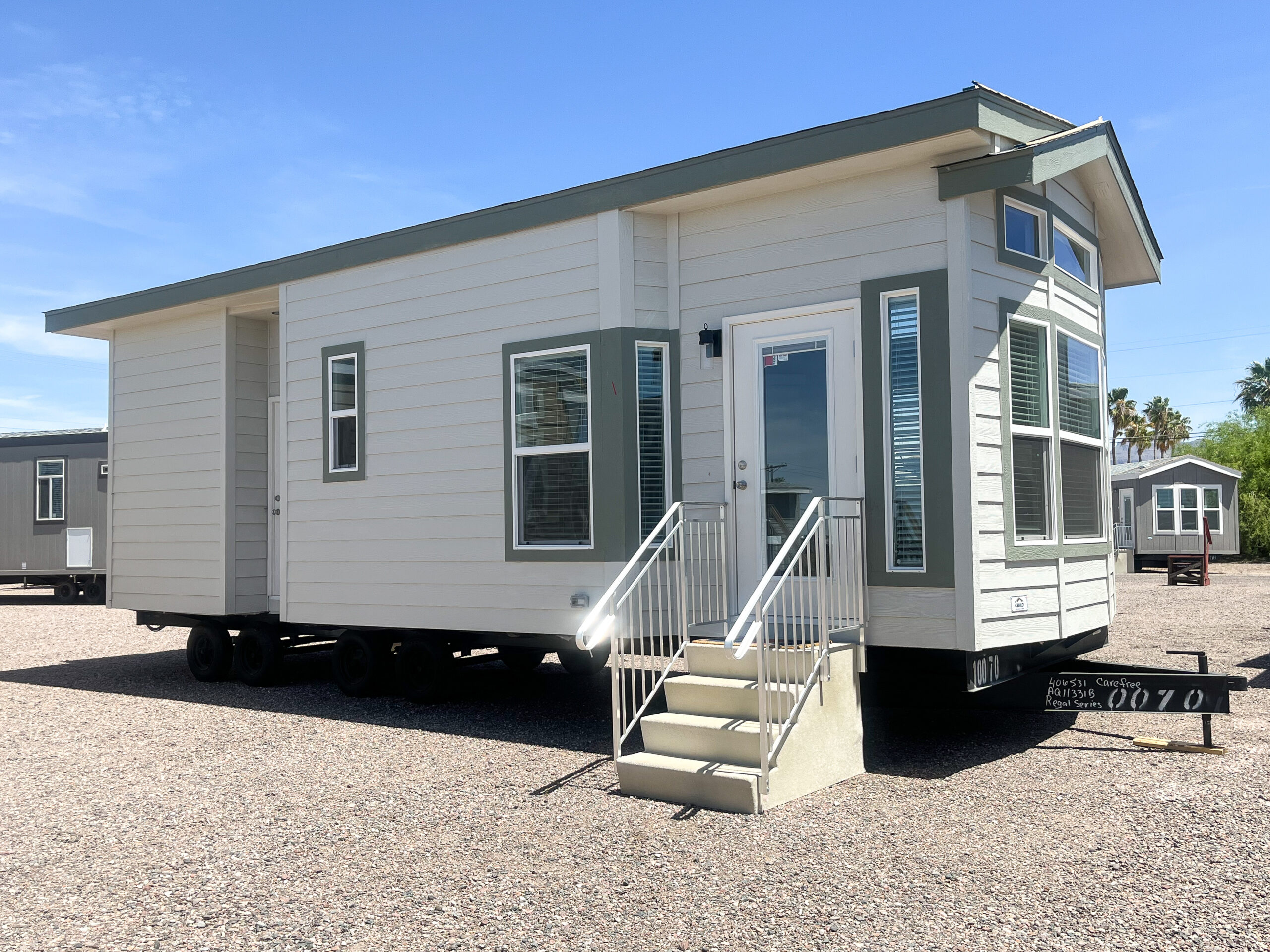
The two terms get used interchangeably. Regulators treat them as different things. Manufactured homes are factory-built after June 15, 1976 to the federal Manufactured Home Construction and Safety Standards (24 CFR Part 3280), administered by HUD, and carry a HUD label on each section. Mobile homes are factory-assembled structures built before that date.
This matters because manufactured homes are built to a federal standard, and local jurisdictions cannot regulate the components that standard already covers. That’s why your city building department is often not the office you call about your roof.
Who Permits a Mobile Home Roof Replacement
In Washington, the Department of Labor and Industries functions as the state’s building department for factory-assembled structures. An alteration permit is required to reroof a manufactured home, and plan review, stamped by a Washington engineer or architect, is triggered when you’re not removing the old roofing before installing new, the new covering is heavier than the original, roof framing is being repaired, or additional sheathing or framing is added. Plan review typically takes two to three weeks and must be approved before work proceeds. If none of those conditions apply, no plans are required. A few things don’t need a permit at all: repairing a small area of damaged roofing, applying liquid or mastic sealant to a metal roof, and repairing damaged composition shingles.
In Idaho, this runs through local jurisdictions or, where there’s no approved local program, the Division of Occupational and Professional Licenses. Lewiston, Moscow, Coeur d’Alene, and Kootenai County each administer their own building programs, so check locally first. Snow load is the number that matters: the Idaho Manufactured Home Installation Standard sets 30 pounds per square foot as the minimum permissible roof snow load in the state. Compare that to Coeur d’Alene’s design criteria for conventional homes, 40 psf roof and 60 psf ground snow load, and it’s clear a manufactured home is engineered to a different standard entirely.
Why Weight Is Important to Consider
Manufactured home roof trusses are engineered lean, sized for the load the home was certified to carry and not much more. That’s why Washington triggers engineering review when a new covering is heavier than the original, and why roofing over an existing roof counts as a structural alteration rather than routine maintenance. A roof-over adds weight on top of everything already up there. A full tear-off does not. Any roofing contractor who waves off the weight question hasn’t done this work in Washington.
The Two Kinds of Mobile Home Roofs
Low-slope metal and membrane roofs
These types of roofs are typical on older mobile homes, often metal panels over bowed framing. Common failures include seam separation, fastener backout, ponding water, and condensation trapped inside a shallow, often poorly ventilated cavity. The usual remedies, elastomeric coatings, mastic sealing, membrane systems, metal patches, are a genuine specialty with their own products and techniques. It’s not what we do, and we’d rather tell you that up front than take the job and learn on your house.
Pitched, framed roofs
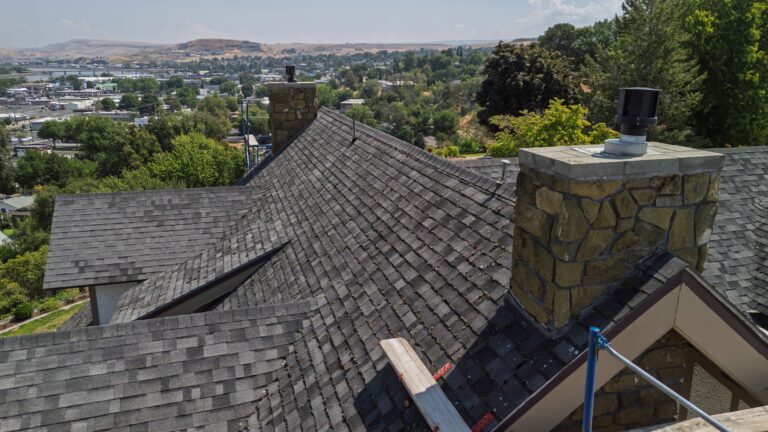
These are typical on manufactured homes built since the 1990s, sheathed and shingled much like a site-built home. These take conventional roofing materials. Owens Corning architectural shingles and standing seam metal are both appropriate, assuming the structure can carry the system and the permit path is followed. This is the work we handle.
Common Mobile Home Roof Problems in This Climate
Leaks at penetrations (vents, plumbing stacks, skylights) are where low-slope roofs fail first. Heavy wet snow on a low-pitch roof for weeks tests a structure engineered for it, barely, and ice damming at the eaves pushes water backward under the roofing. Temperature swings drive condensation into the cavity, eventually showing up as soft roof deck sheathing, stained ceilings, and compressed insulation. Wind lifts shingles and loosens flashing, often more consequentially than on a site-built home since the assembly is thinner. Regular inspections catch nearly all of it early, before two winters of trapped water turn a small repair into a much bigger one, regardless of the home’s age.
What Russell Quality Roofing Handles
We’d rather be clear than be everything. Our focus is pitched, conventionally framed manufactured home roofs, full roof replacement, roof repairs, and emergency response, not general remodels or the low-slope membrane specialty covered above.
What we handle: conventionally framed, pitched roofs that can carry the system; Owens Corning architectural shingle roofing; standing seam metal roofing, with superintendents MBCI certified for metal roofing installation; full tear-off and complete roof replacement; roof repairs and inspections; emergency response when storm damage leaves a roof exposed; and Owens Corning UDL 50 underlayment with ice and water shield, our standard waterproofing measure at eaves, valleys, and penetrations. We also handle siding and gutters, which often need attention alongside a manufactured home’s roof.
What we don’t handle: elastomeric or liquid roof coatings, mastic recoating of low-slope metal mobile home roofs, roof-over systems. Structural truss or rafter repair is handled by our construction team, Russell Construction & Excavation, rather than as part of the roofing scope.
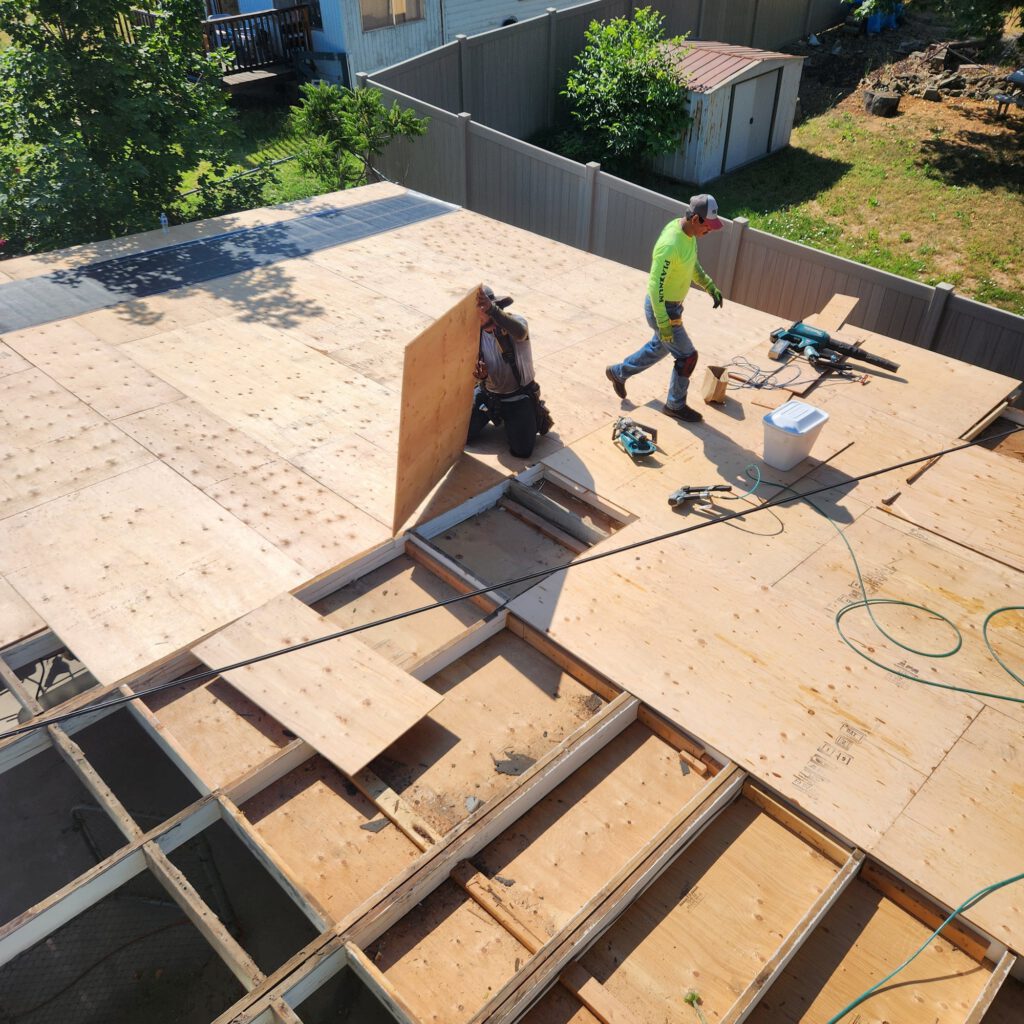
Every roof we replace includes complete removal of the existing roofing materials, our standard on every job. On an Idaho and/or Washington manufactured home, tearing off and installing a covering of the same or lesser weight is exactly the scenario that skips stamped plans and a multi-week review. Roofing over is what triggers it.
How to Vet Roofing Companies for Mobile Homes
Verify registration and insurance before hiring. In Washington, that’s through L&I; in Idaho, through the Idaho Contractors Board, which you can confirm using DOPL’s online services portal. Ask specifically about manufactured housing experience, not roofing experience generally, and request a portfolio or review recent projects. There’s a genuine shortage of contractors who specialize in this type of work, so ask how many manufactured or mobile home roofs they’ve done. Ask who pulls the permit and pays the fee, and get it in writing. Ask whether they tear off or roof over, and make them explain what that choice does to your permit path and structure. Get at least three written estimates and compare scope, not just total. Read reviews for communication and punctuality, not just star rating. And ask about warranties on both workmanship and materials, since those are two separate things.
What Drives the Cost
The roof type (metal panel repair and asphalt shingle replacement are different labor profiles), the extent of damage, accessibility and staging, what’s found underneath once tear-off begins, labor rates, and permit or plan review fees on manufactured home work specifically. We provide a single project-based estimate rather than a labor and material breakdown, and explain any change order before the work happens, not after.
If Storm Damage Is Involved
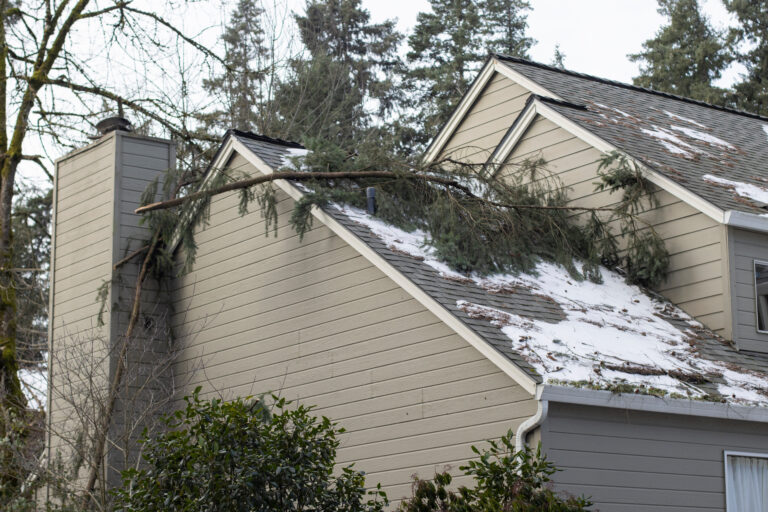
Document the damage with photos and video, note the date and time, and notify your insurance company promptly. Russell Quality Roofing does not process or manage insurance claims. We inspect the roof, document conditions, and provide the information your insurer requests. You contact your insurance company and follow their claim process.
Common Questions
Can you put regular architectural shingles on a manufactured home? On a conventionally framed pitched roof, usually yes, provided the structure can carry the system and the new covering isn’t heavier than the original. On an older low-slope mobile home roof, generally no.
Do I need a permit to reroof my manufactured home? In Washington, yes, an L&I alteration permit, with plan review triggered by roof-overs, heavier coverings, framing repairs, or added sheathing. Small repairs and sealant on a metal roof are exempt. In Idaho, check with your local building department or DOPL.
How long does a replacement take? The roofing work itself typically runs one to three days. Permitting is the variable, plan review adds two to three weeks when required.
Do you serve my area? We provide residential and commercial roofing across Lewiston and Clarkston, Moscow and Pullman, Spokane and Spokane Valley, Liberty Lake, Coeur d’Alene, Post Falls, Hayden, and surrounding areas across Idaho and Washington. If you’re not sure your property is in our service area, call and we’ll tell you straight.
Get a Straight Answer About Your Roof
Russell Quality Roofing has served the Inland Northwest since 2007. We are fully licensed, bonded, and insured, an Owens Corning Platinum Preferred Contractor ranked among the top one percent of roofing contractors nationally, with 100% ratings on Owens Corning inspections for more than ten years.
If your manufactured home has a pitched, framed roof, our team can inspect it and tell you what it needs with real confidence. If it’s an older low-slope mobile home roof needing coating or membrane work, we’ll tell you that too, and point you toward the right specialist, because solving your problem matters more to us than taking a job we’re not the best fit for. Homeowners and property managers alike can count on the same straight answers, whether the job is a single roof or a manufactured home community.
Call (208) 791-5252 or schedule a free roof inspection through our free estimate page.
Russell Quality Roofing: Built on Trust, Backed by Expertise.